As the owner of the North Texas Bed & Breakfast blog, I’m passionate about sharing tips that make properties shine—especially when it comes to that all-important first impression. Your driveway is more than just a practical feature; it’s the gateway to your home or business, setting the stage for everyone who visits. Over the years, I’ve come to appreciate asphalt driveways for their practicality and charm. Here’s why I love them, how I keep mine in top shape, what it was like switching from gravel, and a heads-up about navigating neighborhood rules.
Why I Chose Asphalt for my Driveway Choice
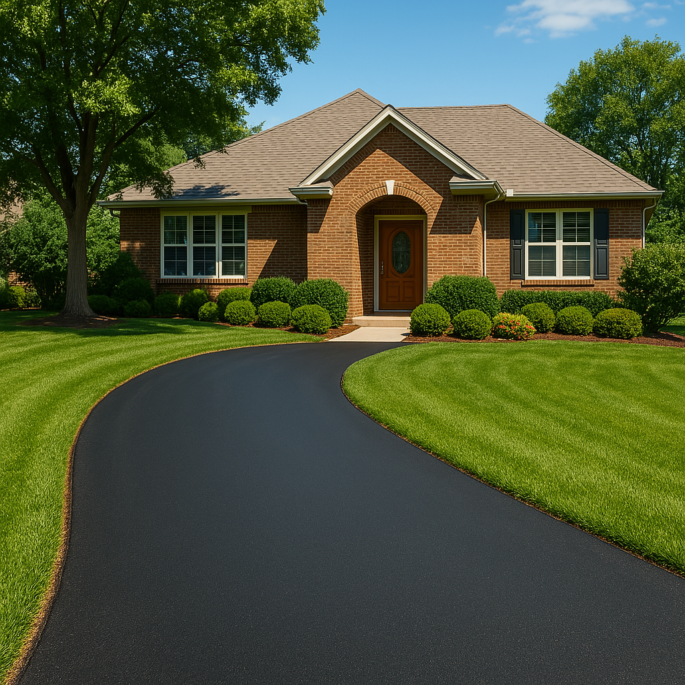
I’ve always believed that a driveway should balance looks, durability, and cost—and asphalt nails it. It’s made from a mix of stone, sand, and bitumen, creating a smooth surface that stands up to daily wear. Living in North Texas, where the weather swings from scorching summers to chilly winters, I’ve noticed asphalt holds up better than concrete. It flexes with temperature changes, so it’s less likely to crack.
When I had mine installed, I was amazed at how quick and affordable it was compared to other options. Plus, if a patch needs fixing, it’s no big deal—a huge relief when you’re juggling a busy schedule. For me, an asphalt driveway says “welcome” without breaking the bank.
Keeping It Sharp with Sealcoating
One thing I’ve learned is that asphalt needs a little TLC to stay looking its best. Sealcoating has become my secret weapon. It protects against sun, rain, and those pesky oil drips that guests sometimes leave behind. Without it, you’re looking at cracks, potholes, and a faded surface that drags down your property’s vibe.
I aim to have my driveway sealcoated every 2-3 years, depending on how much action my driveway sees.
Switching from Gravel to Asphalt: My Experience
When I first moved into my B&B, the driveway was gravel. It had a cozy, rustic feel, but the dust and upkeep? Not so charming. I decided to upgrade to asphalt, and it was one of the best calls I’ve made. The process was straightforward:
- Check the base: The crew compacted my existing gravel since it was in decent shape.
- Get the slope right: They graded it to keep water flowing away.
- Pour and roll: The hot asphalt went down and was smoothed out.
- Let it set: After a few days, it was ready for action.
Now, I’ve got a clean, polished look with none of the gravel headaches. It’s been a low-maintenance dream ever since.
Watch Out for Neighborhood Driveway Rules
Here’s a lesson I learned the hard way: some North Texas neighborhoods—especially those with HOAs—have strict driveway regulations. Around here, concrete is common, and if yours cracks, the rules might insist on replacing it with concrete again. It’s all about keeping the street looking uniform, but concrete’s pricier and tougher to repair than asphalt.
Before you dive into any driveway project, dig into your HOA guidelines or local zoning laws. If concrete’s a must, plan for the extra cost. But if you’ve got options, I’d argue asphalt is the way to go. Knowing the rules ahead of time saves a lot of hassle.
My Take on Driveway Upkeep
Running this blog has taught me how much a great driveway matters—it’s the first thing people see, after all. I’ve picked up plenty of tricks over the years, and I’m all about sharing what works. If you’re thinking about driveway paving Jackson, MS, I’d say check out our friends over in Mississippi at PavePro for inspiration. A solid driveway isn’t just about curb appeal—it’s about making every arrival feel smooth and special, and I’m here to help you get there!